
Blog

  • Prohibition of violence and harassment at work: The reversal of the burden of proof

    Prohibition of violence and harassment at work: The reversal of the burden of proof

    We have been watching, since this summer, the intense debate and reactions against the labor bill – before it even saw the light of day. Its opponents are mainly focused on the issues of the management of working time, for which our older but also our very recent article. It is, of course, not the only important issue raised by law 4808/21 (Government Gazette A 101/21). Even more important, perhaps, is the (infamous – but not much-discussed) “reversal of the burden of proof” of violence and harassment. One does not need to have the gift of foresight to be certain that this particular provision will, unfortunately, prove to be problematic.

    The (reasonable) prohibition of violence and harassment at work

    Incidents of violence and harassment in the workplace are an old phenomenon and, unfortunately for all of us, more or less familiar. It is true that none of us could have imagined its magnitude — although as a society we did not underestimate it at all. All that until a completely recent investigation that took place on behalf of the Human Resources Management Liaison of Greece brought us before the reality.

    Therefore, taking into account the magnitude of the problem, we are very pleased to read this piece of legislation.

    “All forms of violence and harassment that occur during work, whether related to or arising from it, including violence and harassment due to a person’s sex and sexual harassment” are prohibited (Article 4 §1).

    The reversal of the burden of proof

    The (under this title) provision of Article 15 of the bill that is under consultation, provided:

    “Where the person concerned refers to facts or evidence which give rise to an incident of violence or harassment in accordance with this Part, the defendant shall bear the burden of proving in court or before a competent administrative authority that such circumstances have not occurred. The preceding subparagraph shall not apply to criminal proceedings.”

    The same provision (under the title “burden of proof” – this time) in the text submitted for a vote to the Parliament (and passed – Article 15) is as follows:

    “When the affected person claims that there is violence and harassment in accordance with this Part, paragraph 1 of article 24 of law 3896/2010 (A ‘207) applies.”

    This provision (Article 24. §1, Law 3896/2010) provides: “When a person falling within the scope of this law claims that they are subject to discrimination because of their sex, in accordance with the above provisions, and invokes, before a court or other competent authority, facts or evidence that give rise to an incident of direct or indirect discrimination because of their sex, or that sexual or other harassment within the meaning of this law has occurred, the defendant bears the burden of proving in court or to another competent authority that the principle of equal treatment between men and women has not been violated”.

    Avoiding unnecessary, legal, analysis, taking a simple approach we conclude: Nothing, in essence, differs from the original form of the provision. The person accused of the incident of violence or harassment is the one who must prove that the specific incident did NOT take place. How fair / right / safe is this reversal of the burden of proof?

    The legislator’s justification

    In the Analysis of the Consequences of the Regulation we read the thoughts of the author of the specific provision on the specific subject:

    “Article 15, in accordance with the non-discrimination legislation in force, hence the reference to it, provides for the immediate protection of those affected by the introduction of a procedural rule on the reversal of the burden of proof, when the person presents facts or evidence, from which the occurrence of an incident of violence or harassment under the above provisions is estimated as probable, with the result that the defendant bears the burden of proving in court or before a competent administrative authority that such circumstances did not occur. It is noted that an exception is introduced from the relevant rule for criminal proceedings, where the presumption of innocence applies”.

    Is it right to align with anti-discrimination legislation?

    The proof of a negative fact

    The rule

    It is well known that proof of a negative event is impossible (eg: “I did not speak badly to you”, “I did not hurt you”, “I did not steal your wallet”). Because of this, the one claiming the occurrence of an event must also prove it (: 338 Code of Civil Procedure).

    The exception to the rule

    An exception to the above-mentioned (under a) rule regarding the reversal of the burden of proof is found in Directive 54/2006 (article 19) and in law 3896/2010 (article 24) which transposed it. Also, in Directive 43/2000 (article 8) and in Law 4443/2016 (article 9) that transposed it.

    However, it is important to emphasize that the specific Directives concern the treatment of discrimination (ie events that took place) and the (necessary) ensuring of the principle of equal treatment of employees.

    In order to reverse the burden of proof, under these Directives and under the related legislation, it is required that the one alleging the violation of their provisions will have fully established the facts or, at least, provided evidence for the causal link of their less favorable, in relation to the protected (under these Directives), features (: grounds of distinction).

    In other words: In these cases (under these Directives and legislation), the plaintiff’s facilitation concerns the unproven causal correlation of their ill-treatment with one of the suspected criteria of discrimination.


    In particular: the case of sexual harassment

    Sexual harassment is also considered gender discrimination. However, the reversal of the burden of proof does not mean that it is presumed that the sexual harassment actually took place.

    On the contrary, there is a presumption of a causal link – that is, a link between sexual harassment (discrimination) and ill-treatment which has already been demonstrated by the plaintiff (employee), who also invoked its indications.

    In this case, the defendant (employer) must prove the following negative fact: that the different treatment (event that took place) is not causally linked to any of the features protected by the Directives (: grounds of discrimination).

    Therefore, the cases which the author of this regulation attempts to link are not relevant at all;


    The conclusion

    It is a given that our country is not bound by any Directive or International Convention for this reversal of the burden of proof, in relation to such incidents.

    However, in the light of the above considerations, it is not legally correct, in the firm belief of the signatory, to relate the reversal of the burden of proof in the above Directives to the reversal of the burden of proof of Article 15.

    The (reasonable) concerns

    It is true that the provision in question raises reasonable concerns as the accused will be called upon to prove the absence of an “incident of violence or harassment” – in other words: a negative event. The risk of public humiliation and of a conviction, at any level, will be hanging above not only those who committed unjust actions, but also above those who did absolutely nothing of the sort.

    With all the required (unlimited and absolutely necessary) respect for victims of violence or harassment, it is extremely dangerous to reverse the burden of proof introduced by the bill to be put to the vote. As long as this provision remains as is, it is a given that the one that will be most at risk is the truth: Any dissatisfied employee (or former employee) will be able to invoke an incident of violence or harassment in order to strengthen their place. In this case, the defendant (: colleague, boss, subordinate or employer) will be called to do the impossible: prove the non-existence of the reported event.

    Which is illogical. And, of course, unfair.

    However, a possible persistence on this provision (under the weight of political choices or, possibly, social pressure) will certainly make some people happy:

    Us lawyers!

    Let’s choose.-



    Stavros Koumentakis
    Managing Partner


    P.S. A brief version of this article has been published in MAKEDONIA Newspaper (June 20, 2021).


    Disclaimer: the information provided in this article is not (and is not intended to) constitute legal advice. Legal advice can only be offered by a competent attorney and after the latter takes into consideration all the relevant to your case data that you will provide them with. See here for more details.


  • Working time and its recording

    Working time and its recording

    The discussion (and the reactions) on the bill for the extensive but also important reform of the labor law-the consultation on which was completed quite recently (: May 27, 2021) have recently been becoming increasingly intense. Among the issues it deals with are those concerning the working time and his recording. The relevant time limits have already occupied us in our previous article. On the occasion of this draft law, it is worth taking a special look at the relevant issues, in the light of European legislation and jurisprudence and what is currently in force in our country.


    Directive 2003/88 on working time limits

    In general

    Directive 2003/88 concerns the organization of working time and aims to improve the safety, hygiene and health of employees at work. It requires that adequate rest periods for rest be available to employees (5).

    In this context, this Directive proceeds to a very specific definition of the minimum daily and weekly rest periods. Also: the maximum limits of weekly working time. On the contrary, the maximum daily working time limits follow a contrario.


    The working time limits

    In particular, as regards the minimum time limits for daily and weekly rest, this Directive provides that:

    With a reference period of twenty-four hours: Every worker is entitled to a minimum daily rest period of 11 consecutive hours per 24-hour period (Article 3).

    With a reference period of a week: Every worker is entitled to a minimum uninterrupted rest period of 24 hours plus the 11 hours’ daily rest referred above (article 5 §1).

    It follows, a contrario, that the daily working hours may not exceed thirteen hours.

    At the same time, the above Directive explicitly stipulated that in a period of seven (7) days, the working time may not exceed, on average, 48 hours (including, in fact, overtime – article 6.b’).


    Imposition of obligations in the Member States

    This Directive requires Member States to comply with its minimum standards of minimum daily and weekly rest time and maximum weekly working time. It does not, however, specify how Member States will ensure the implementation of its provisions, which is left at their discretion. Based on the “wording” of the Directive, the Member States are obliged to take the “necessary measures” in order to be compatible with the minimum protection limits set by the Directive as a whole.


    The requirements of the ECJ – The recording of daily working time

    However, the discretion of the Member States and its threshold for taking the “necessary measures” is judged and limited by the ECJ. The national provisions of each Member State may not invalidate the minimum protection requirements laid down in Directive 2003/88 (Case: C-55/18, paragraph 43).

    The ECJ also accepts, of course, that Member States must guarantee compliance with the above minimum rest periods. Also, they must prevent any exceeding of the maximum weekly working time. In this way, the full effectiveness of this Directive is ensured (Case: C-55/18, paragraph 43).

    The ECJ further acknowledges that Directive 2003/88 does not specify the specific way in which Member States are required to provide the above guarantees. It acknowledges, however, that, despite the discretion of the Member States, the latter must guarantee the full and practical effectiveness of the minimum requirements of the Directive. In other words: to ensure, in fact, that employees have the minimum daily and weekly rest periods and that the upper limit of the average weekly working time is observed (Cases: C-14/04, Paragraph 53, C 484/04, paragraphs 39 and 40, C-243/09, paragraph 64).

    In the same context, the ECJ requires that, in order to ensure the practical effectiveness of Directive 2003/88, Member States should oblige employers to implement an objective, reliable and easily accessible system for measuring the daily working time of each employee (Case: C-55/18, paragraph 60). On the contrary, it accepts that the obligation to record only overtime does not achieve the purpose of the Directive and is incompatible with it (Case C-55/18, paragraph 52).


    Our national law – The time card

    The obligations of the employer

    It is known in our national law that, at least to date, there is no corresponding obligation to record the daily working time of each employee.

    The employer, in particular, is obliged to register in the information system ERGANI (article 36 par. 1 law 4488/2017):

    (a) Any change or modification of the working hours or the organization of the working hours of the employees, no later than the day of the change or modification of the working hours or the organization of the working hours (and in any case before the provision of work by the employees),

    (b) any “overwork” and

    (c) any legal overtime.

    The obligation to record working time in our country is therefore limited to recording in the ERGANI the (legal) exceeding of working time limits. Therefore, Greece must, under EU law, establish a system for recording the total daily working time of each employee. The choice of registration system is at the discretion of the Member State. Therefore, it does not matter if it will be in digital or physical medium.


    The (ten-year long) discussion about the time card

    Despite the non integration of a system for recording the total daily working time in our national law, the institutionalization of the time card took place a decade ago.

    In particular, Law 3996/2011 provides that “Under the responsibility of companies, IKA – ETAM is informed daily and in real time about the working time, the arrival and departure time of the employees of the company who are subject to the insurance of IKA – ETAM. This procedure is done by using a time card in an electronic staff presence clock (hourly measurement) and the data are transmitted electronically or otherwise to IKA – ETAM… “(article 26 par. 1. a΄ and b΄).

    However, the above provision has not been applied. In particular, the necessary Ministerial Order was never issued, which would set out the technical specifications for the implementation of the provision on the time card. In addition, the budget feasibility study, which was envisaged for the implementation of this measure, was never completed (article 26 par. 6 of law 3996/2011).

    Then, with Law 4144/2013, it was provided that: “The employer is obliged to register in the information system of the Ministry of Labor, Social Security and Social Solidarity “ERGANI” any change or modification of working hours or organization of working time of employees, no later than the day of the change or modification of the working hours or the organization of the working time, and in any case before the provision of work by the employees, as well as before the provision of the “overwork” and the legal overtime” ( article 80 par. 1 par. a).


    The bill

    The (new) provision of the time card

    The bill mentioned in the introduction provides, among its other regulations, for the institutionalization of the digital time card (article 74 of the bill). It is provided, specifically, that the “Businesses – employers are obliged to have and operate an electronic system for measuring the working time of their employees, directly connected and interoperable, in real time, with the ERGANI INFORMATION SYSTEM II “(article 74 par. 1 of the bill).

    “Work time is measured using a digital time card. When used, it is recorded in real time in the ERGANI INFORMATION SYSTEM II any change concerning the working time of the employees, such as, in particular, the start and end time of the work, the break, the exceeding of the legal working hours and any kind of leave” (article 74 par. 2 of the bill).

    The concerns

    The above provision of the digital time card seems, at first, compatible with the requirements of the ECJ. However, there are some concerns regarding the implementation of this measure. They are basically (also) related to the outstanding issues that need to be regulated by the Ministerial Orders to be issued. Among others those concerning: (a) the Digital Time card (article 79 par. 1 of the bill), (b) the protection of personal data (article 79 par. 2 of the bill), (c) the characteristics of the enterprises (field, size, type) to which the digital time card system will be applied and (d) the employees who will fall into the category of executives (article 79 par. 4 of the bill).

    Finally, particular concerns are raised about the consequences that arise when the employee inadvertently omits the mandatory registration (because they forgot, for example, to “pass” the digital card from the recorder).

    The bill provides that “If, during the on-site inspection in a company, it is found that the digital card of an employee is not activated, a fine of ten thousand five hundred (10,500) euros is imposed on the employer per employee who does not have an activated digital card. In the event that in three audits, within a period of twelve (12) months, the violation of the present is ascertained, a temporary cessation of operation of the company is imposed for a period of fifteen (15) days. (Article 74 §4 of the bill).

    A fine of €10,500 is already provided in cases of undeclared work. On the contrary, in cases where during the on-site inspection discrepancies are found between the staff schedule on a given day and the (declared) employees, the fines reserved are much lower.

    It seems, therefore, illogical to equate the fine for undeclared work with the case of (involuntary) error in recording the employee’s daily schedule. Therefore, the “non-activated card” case should be clearly identified. The same treatment cannot be reserved in the case where the digital time card was never activated by an employee of a specific company and in the case that on a specific day the employee, by mistake, did not activate it.


    The Greek legislator has shown obvious, until today, cowardice in adopting what is provided by the European legislation for the working time limits. Also, for the implementation of those measures that it adopted for the confirmation of the working time limits (: time card).

    It is already time, on the one hand, to align with the relevant directions of European legislation and, on the other hand, to adopt the necessary measures for its enforcement.

    Let’s hope that the bill that will eventually be passed will manage to achieve the necessary balance (also in terms of working time limits) between European legislation and case law, employees’ rights and, of course, the promotion of entrepreneurship


    Stavros Koumentakis
    Managing Partner


    P.S. A brief version of this article has been published in MAKEDONIA Newspaper (June 13, 2021).


    Disclaimer: the information provided in this article is not (and is not intended to) constitute legal advice. Legal advice can only be offered by a competent attorney and after the latter takes into consideration all the relevant to your case data that you will provide them with. See here for more details.
  • ESG Criteria (Environment, Social, Governance), Business and Development

    ESG Criteria (Environment, Social, Governance), Business and Development

    There is a lot of discussion around the ESG criteria: for their value, the importance of their adoption by companies but also the way they are evaluated by investors, stock exchanges and the financial system. The global debate has reached our country for a long time now. The issue is no longer theoretical; it refers to attracting investment capital, to corporate creditworthiness and, ultimately, to growth. Let’s see why.

    What are the ESG criteria?

    ESG stands for Environmental, Social, and Governance. Specific the (: ESG) criteria are a set of standards for the operations of a company used by socially conscious investors to control potential investments. Environmental criteria examine a company’s performance as for the way they treat nature. Social criteria examine how the business manages its relationships with employees, suppliers, customers and the communities in which it operates. Governance deals with the leadership of a company, the remuneration of management and senior management, audits, internal audits and shareholder rights.

    However, investors and companies are not the only ones dealing with these criteria. They are already occupying the EU. In this context, one encounters a wealth of legislation related to the ESG criteria, which highlights the high interest of the latter.

    The (true) value of the ESG criteria

    In 2015, world leaders unanimously approved the 2030 Agenda for Sustainable Development. According to UN Secretary-General Antonio Guterres, “The Sustainable Development Goals are the path that leads us to a fairer, more peaceful and prosperous world, and to a healthier planet.”

    Consequently: the issue neither has just a legislative background nor is it just of legal value.

    It turns out that it has a special value for businesses as well.

    George Serafeim (Professor at Harvard Business School, Chairman of the Hellenic Corporate Governance Council and Member of the Board of Directors of the Athens Stock Exchange), when introducing The ESG Information Disclosure Guide for the Athens Stock Exchange stated: companies that improve their performance in environment, social and corporate governance (ESG)… improve their access to capital, employee engagement, customer satisfaction and their relationships with society and stakeholders”.

    In this Guide we read:

    “sustainability has become a pertinent and pressing topic across the world, mobilizing governments… Following the call to action of the UN Sustainable Development Goals (SDGs) an increasing number of companies are measuring, disclosing and managing sustainability risks and opportunities. Environmental, social and corporate governance … metrics have emerged as important factors that reflect companies’ ability to generate value and execute effective strategies…

    A growing body of research has confirmed a strong relationship between performance on ESG metrics and financial performance of companies, thus demonstrating that ESSG information is financially material and therefore relevant to investors. In the absence of ESG disclosure, investors can miss important information on a company’s operations, competitive positioning and investors can miss important information on a company’s operations, competitive positioning and long-term strategy.”

    The PRI

    The PRI [: PRI Initiative (Principles for Responsible Investment)] is an investment initiative developed in collaboration with the UNEP Finance Initiative and the UN Global Compact, an initiative that requires participants to meet the ESG criteria.

    The published data on the growing acceptance of the PRI Agreement looks impressive: This initiative already involves 170 investors managing 36 trillion (!) USD as well as 26 (!) Credit Rating Agencies (CRAs). Also: Four reports have been published as part of this initiative and more than twenty forums have been organized worldwide for industry professionals.

    The principles on which the specific investors and Organizations are committed are worth mentioning:

    Principle 1: We will incorporate ESG issues into investment analysis and decision-making processes.

    Principle 2: We will be active owners and incorporate ESG issues into our ownership policies and practices.

    Principle 3: We will seek appropriate disclosure on ESG issues by the entities in which we invest.

    Principle 4: We will promote acceptance and implementation of the Principles within the investment industry.

    Principle 5: We will work together to enhance our effectiveness in implementing the Principles.

    Principle 6: We will each report on our activities and progress towards implementing the Principles.

    ESG: Winning in the long run

    From the above, there is no doubt neither about the importance that investors attach to the adoption of the ESG criteria nor about the fact that companies should (also) focus on them.

    In the above context was the (relatively) recent event of the Athens Stock Exchange: ESG: Winning in the long run. The high participation in this event demonstrates the respectively high interest. There were also many interesting participations and presentations, which demonstrated the value of the adoption of the specific criteria by the companies.

    We will focus on only two points of those made:

    “Socially responsible companies are obviously becoming more attractive internationally and vice versa” (: Mr. Vas. Lazarakou, Chairman of the Hellenic Capital Market Commission)

    “According to estimates, in the next three or four years more than 50% of the mutual funds will be invested in strategies that will have ESG criteria. (The adoption of the ESG criteria) is not something, as we would say, nice to have but it is a must have “(: Mr. Theof. Mylonas, President of the Association of Institutional Investors)

    Base (also) on the specific data, the CEO of the Athens Stock Exchange, Mr. Socrates Lazaridis, announced the planning of the creation, by October, of an index that will include the sufficiently sensitized, ESG-conscious listed companies. As a natural consequence, the increase of investors’ interest in the shares of these (privileged) companies is expected.

    Companies that meet the ESG criteria and investment funds

    One would expect that the adoption of these criteria is only a burden (and a costly one, without any benefits) for businesses. But is that so?

    Morningstar is a world-renowned financial research and investment management services company. Highly prestigious, respectively, is its research. In a relatively recent (: 30.6.20) research (: “How Does European Sustainable Funds’ Performance Measure Up?“) We find extremely interesting facts. We also find a very interesting comparative overview of the returns of Sustainable Funds in relation to the Traditional Funds.

    Let us clarify at this point that Sustainable Funds are those that use environmental, social and corporate governance (ESG) criteria to evaluate their investment or social impact. In contrast, traditional ones (: Traditional Funds) do not focus on the existence (or not) of such criteria for evaluating either their investments and / or their potential investments.

    Yields and survival rate of Sustainable Funds in relation to Traditional Funds

    The aforementioned Morningstar survey provides a comparative overview of Sustainable and Traditional Funds in terms of their survival rate and, above all, their returns. The superiority of the former seems obvious on a global and European level in the course of a year, three years, five years and a decade. To clarify, in the present article we focus on those parts of the research that refer to investments at global and European level, but those parts do not demonstrate significant differences from the rest of the survey.

    Yields of Sustainable Funds worldwide

    Below we list the performance and returns of Sustainable Funds that invest, worldwide, in large-cap companies-Blend Equity, specifically:

    From the above data it appears that, in addition to the increased survival rate of Sustainable Funds, their average returns from the aforementioned investments range from 6.9% over a decade to 25.7% year-on-year. In contrast, the average returns of Traditional Funds are limited to 6.3% over a decade and reach 23.3% year-on-year.

    Yields of Sustainable Funds investing in Europe

    Below we list the performance and returns of Sustainable Funds investing in Europe-also in large-cap companies -Blend Equity˙ specifically:

    The survival rates of Sustainable Funds are, in this case, extremely high compared to Traditional Funds. The returns of Sustainable Funds, which invest in these European companies, are also increased: they range from 6.8% over a decade to 26.2% year-on-year. In contrast, the average returns of Traditional Funds are limited to 6.6% over a decade and reach up to 24.2% year-on-year.

    Yields of Sustainable Funds investing in the Eurozone

    Below we list the performance and returns of Sustainable Funds investing in the Eurozone in large cap companies -Blend Equity, specifically:

    The survival rates of Sustainable Funds are, in this case as well, extremely high compared to Traditional Funds. Respectively, the average returns of the Sustainable Funds that invest in the Eurozone in the specific companies range from 5.6% in a decade to 24.4% year-on-year. On the contrary, the average returns of Traditional Funds are limited to 5.5% over a decade and reach up to 23.7% year-on-year.

    Conclusion

    From the above, the conclusion is that those Funds (: Sustainable Funds) that focus on investments with ESG criteria have obviously better survival rates but also better returns than the others (: Traditional Funds). Companies, therefore, that meet these (: ESG) criteria are the ones that will receive the “lion’s share”, in terms of the interest of significant investors. The necessary funds for their growth and their development in the end seem to be, this way, easier to come across and it is safer to bet on receiving them.

    The interest of the global community, investment funds and stock exchanges (and most recently financial institutions), emerges as a clear manifestation of the adoption of the ESG criteria. Consequently, their adoption by large-cap companies, but also by those whose shares are listed on regulated markets, seems to be extremely important.

    The issue, however, should not concern the specific larger companies only. (It should) concern all businesses that are (or are likely to be) targeted by investors. Those whose creditworthiness is assessed. Those who either want to showcase their achievements in these areas or are simply evaluated by them.

    It is important to remember, however, that the younger generations of consumers are not only interested in the value for money of the product or service they buy.

    It is, therefore, obvious that the adoption of the ESG criteria by some companies, puts them in an (on many levels) advantageous position. (In this context we also find the “Equality Mark” awarded to companies provided by the bill for labor issues – see our article to follow).

    The relevant ESG “passport” is therefore necessary for the development and, in some cases, the survival of businesses.-


    Stavros Koumentakis
    Managing Partner


    P.S. A brief version of this article has been published in MAKEDONIA Newspaper (June 6, 2021).

    κριτήρια ESG

    Disclaimer: the information provided in this article is not (and is not intended to) constitute legal advice. Legal advice can only be offered by a competent attorney and after the latter takes into consideration all the relevant to your case data that you will provide them with. See here for more details.

  • Occupational Disease & Covid-19

    Occupational Disease & Covid-19

    11.3.2020 already seems distant. This was when the WHO declared the Covid-19 infection a pandemic (which, as we have learned, is a result of the Coronovirus-2019 SARS-CoV-2). It has, since then, “for good”, entered our quarantined, until recently, lives. But we continue to count, on a daily basis-because of it, cases, intubations, deaths. The main concern of the state has been, from the beginning, to ensure the life and health of the citizens. After that, to ensure the survival of businesses and, ultimately, the economy. In time, the use of vaccines helps to gradually “return to normalcy”. The pandemic, however, is not over. Complacency is not justified – at least not yet. In this context, we should probably (finally) look into issues that have possibly “missed” or we have inadvertently assessed them as “minor”. One such is the one that concerns the subordination of the specific infection to the occupational diseases.


    Inclusion of Covid-19 infection in occupational diseases

    The issue was raised, for the first time, by official sources quite late – almost a year after the start of the pandemic (: only on 12.02.2021). Specifically, through an announcement of the Press Office of the Ministry of Labor and Social Affairs, it was pointed out by the competent Deputy Minister, that in our country, the coronavirus is “recognized” (: how?) as a risk factor for the health and safety of employees. It was additionally announced that the Ministry of Labor is working on the prospect of amending the National Catalog of Occupational Diseases (: pd. 41/2012), in order to register the disease caused by Coronavirus-2019 SARS-CoV-2. There was, however, a need to find ways so that Covid-19 infection could be associated, as an occupational disease, with the patient’s workplace and not with his or her wider social activity.


    Occupational disease

    In order to evaluate the announcement (?) of the competent Ministry, it seems necessary to analyze the concept of occupational disease. Also: its individual characteristics.

    Such (: occupational) means the disease, which, according to the teachings of medical science, is more likely to affect a certain category of employees, more than other groups of the population, precisely because of the nature of the work that the former provide. Work itself, that is, in this case, is the cause of the manifestation of the specific disease.

    In our national law and, in particular, in social security law, the concept of occupational disease “has” a more specific definition. Our country, in compliance with the Recommendation of the European Commission 2003/670 EC “On the European list of occupational diseases”, annexed this list and (restrictive) listing of occupational diseases (article 2 p.d. 41 / 2012).

    Our country, therefore, has adopted a “closed” system of identification of occupational diseases. As a consequence of their “numerus clausus”, the designation of Covid-19 infection as an occupational disease needs to be explicitly included in the national list of occupational diseases.

    Occupational diseases, as listed in the national list, fall into five broad categories. These are, in particular, the:

    (a) Diseases caused by chemical agents.

    (b) Skin diseases caused by substances and agents not listed elsewhere.

    (c) Diseases caused by inhalation of substances and agents not recorded elsewhere.

    (d) Infectious and parasitic diseases.

    (e) Diseases caused by those listed in presidential decrees physical factors.

    From the above distinction, it being included in the category in the category of infectious and parasitic diseases of occupational diseases seems possible.


    The distinction of occupational disease from occupational accident (accident at work)

    We had dealt with the accident at work in a previous article. There, we identified the accident at work as any violent incident that causes damage to the employee’s health or loss of life. Prerequisite: for it to have taken place during the execution of the work or on its occasion. That is, there is a “causal link” between the work and the accident (: cause-and-effect relationship). Exception from the above: the case where the victim fraudulently caused the accident (art. 1 law 551/1915).

    The occupational disease, however, is distinguished, in some of its individual characteristics, from an occupational accident. In contrast to the “violent” and sudden nature of the accident at work, occupational disease usually occurs slowly. Also: the accident at work can occur as a result of the work, as an indirect. On the other hand, occupational disease is due to the work itself.

    Sometimes, however, the disease can be an accident at work. A disease that is an accident at work is one that is dormant and is manifested (or aggravated) by “abnormal” working conditions, which are of a violent nature. We are talking, in this case, about an occupational disease that constitutes an occupational accident.

    A similar case is the one in which an employee provides their services under normal and agreed upon conditions but is ill. If they inform their employer about their illness, the latter (employer) must employ the (sick) employee in a different job-suitable for their state of health. If, in any case, they continue to provide their work under the same conditions (under which the illness occurred), any deterioration will be deemed to constitute an accident at work.


    Occupational disease and insurance benefits

    Occupational disease is treated only the level of social security benefits. In particular, from the point of view of social security and, consequently, of the insurance benefits granted, it is equated with the accident at work (articles 8 §4 & 34 §1 Law 1846/1951). Therefore, the employee who suffers from an occupational disease is entitled to the benefits provided by E.F.K.A. of medical and hospital care, of allowances, pension of the patient or their family members in case of their death. The provision of pension is presented, in this case, as of major importance. Of course, everyone avoids the death of employees due to Covid-19. This does not mean, however, that these cases should not be taken care of. Especially in working groups that show an increased chance of getting sick. How many deaths have occurred in the nursing staff of our country since the beginning of the pandemic?

    The inability to prove an accident at work due to the Covid-19 infection

    Efforts to treat and manage Covid-19 infection as an occupational accident cannot be easily and legally substantiated. This is for two reasons:

    (a) The transmission of this disease may not fall within the meaning of “adverse” and “exceptional” working conditions, nor within the meaning of a “violent incident”. It is, moreover, known that its transmission takes place under completely normal working conditions (although, in some cases, the probability of transmission is known to be, due to the nature of the work, significantly increased).

    (b) It seems rather impossible to determine the causal link between cause (: provision of work) and result (: disease). Outbreaks appear to be exacerbated within, but also outside the workplace. It is not possible, therefore, to determine with certainty whether an employee contracted the disease in the course of providing their work or not.


    The inclusion of the Covid-19 infection in the list of occupational diseases

    Given the above, establishing an accident at work due to Covid-19 seems rather impossible. This, combined with the non-inclusion of Covid-19 infection in the national list of occupational diseases, creates a deficit of protection and social welfare. Especially for specific groups of employees. On the other hand, the inclusion of Covid-19 infection in the national list of occupational diseases will create a corresponding presumption, relieving the employee / insured person from the corresponding burden of proof. As a consequence of the inclusion, the protection gap will be filled.

    Furthermore, it should be noted that the inclusion of Covid-19 in the list of occupational diseases may relate exclusively to specific occupations. Occupations, that is, which by their nature involve more chances of transmitting the disease among their employees. Corresponding restrictions are provided, moreover, by the existing institutional framework (: pd. 41/2012).


    Today, when the effects and consequences of the pandemic are starting to, little by little, settle down, it is time to care, a little more, for the victims and their families. For those of the past and for those that are (unfortunately) to follow. Especially for those who are affected and those who are most at risk, due to their work, to be affected and experience the adverse consequences (short or long term) of the disease.

    The inclusion of the Covid-19 infection in the national list of occupational diseases seems not only more correct, more consistent and safer but also, socially, more equitable.


    Stavros Koumentakis
    Managing Partner


    P.S. A brief version of this article has been published in MAKEDONIA Newspaper (May 30, 2021).

    Disclaimer: the information provided in this article is not (and is not intended to) constitute legal advice. Legal advice can only be offered by a competent attorney and after the latter takes into consideration all the relevant to your case data that you will provide them with. See here for more details.
  • Transfer of business & employment relationships

    Transfer of business & employment relationships

    The entrepreneur has the right, in the context of their business freedom and action, to make the best decisions. Some of their decisions can significantly change the current state of their business. Others may even mean the change of the person who operates and exploits it. Sale, acquisitions, mergers, and secessions are (not infrequently) business decisions, which may mean what the law considers a “transfer of business”. However, when the “transfer of business” occurs, its legal consequences occur automatically. Some of them also concern the automatic transfer of employment relations to the new business. This possibility can be positive. But it can also be dangerous. Especially for the one who acquires them.

    The regulatory framework of the institution of the transfer of business

    EU law

    The first attempt to regulate the issue of business transfer at the level of the European Union took place in 1977 with Directive 77/187. It was subsequently amended in 1998 by Directive 98/50. It was finally codified with the current 2001/23.

    The central goal of the first Directive (: 77/187) was the protection of employees and the maintenance of jobs and working conditions. And all this in the case of the change in the structure of the business that is carried out through the transfer of businesses, facilities or parts of facilities to other entrepreneurs. Also, the convergence of the level of protection between the rights of the Member States, and eventually the regulation of a single market.

    In its recent decisions, however, the ECJ, deviating from its till then established case law, accepts that the Directive also seeks to protect the interests of the person acquiring the business. It has characteristically considered that the Directive “… does not have the sole purpose of safeguarding, in the event of a business transfer, the interests of employees, but seeks to ensure a fair balance between their interests on the one hand and the interests of the transferee, on the other…” ECJ C-426/11, Alemo-Herron etc).

    National law

    The legislator’s concern for the protection of employees’ rights, in case of transfer of the business, was manifested early (and) at the level of national law. With the provisions, specifically, of articles 6 §1 L. 2112/1920 and 9 §1 Royal Decree 16 / 18.7.1920 which provide that the change in any way of the employer’s person does not affect the application of the provisions which have been adopted in favor of the employees for the termination of the employment contract. Article 8 of the Presidential Decree of 8.12.1928 stipulated that, in case of enlistment, when a change of the employer’s person occurs, the obligations established by this legislation for employers are automatically transferred to the new employer. Furthermore, according to article 6 par. 2 L. 3239/1955, the obligations and rights arising from a collective employment contract are automatically transferred to the successors of the employer bound by it.

    In addition to the above fragmentary arrangements the P.D. 572/2002 was initially issued, in order for the Greek legislation to be harmonized with Directive 77/187. Then, in view of the newer Directive 98/50, the current P.D. no. 178/2002 was issued. (which abolished the previous PD 527/1988).

    The conditions of the “business transfer”

    Directive 2001/23 provides that: “… as transfer, within the meaning of this Directive, we consider the transfer of an entity that retains its identity, which is understood as a set of organized resources for the purpose of conducting economic activity, either main or secondary. (Article 1 §1 b).

    In order for there to be a “transfer of business” and for the implementation of the specific Directive and the P.D. 178/2002, the following conditions must be met:

    (a) The transferee shall be an “economic entity” prior to the transfer.

    (b) For this economic entity a transfer should take place, which presupposes on the one hand the change of the control and on the other hand the preservation of its identity.

    The designation of a unit as an economic entity

    From article 1 §1.b. of the Directive and the established case law of the ECJ, it appears that there are two elements that characterize a unit as an economic entity. Specifically:

    (a) it should be a set of organized resources, ie a set consisting of human resources, materials and intangibles; and

    (b) the organized resources should pursue a certain economic purpose (even non-profit).

    The ECJ, in addition, considers that the transfer should concern a, on a permanent basis, organized economic unit. That is, the activity of the latter should not be limited to the execution of a specific project only.

    It should also be noted that the ECJ has ruled that the entity is not identified with the very activity it carries out. This assumption leads to the conclusion that if we have a transfer of activity it does not mean, without a doubt, that there is a transfer of the entity.

    The concept of an economic entity, in addition to the business as a whole, also includes its individual parts. The division of the business, however, according to the ECJ, must have functional autonomy without, necessarily, being required to be complete (ECJ, C-664/17, Hellenic Shipyards).

    The concept of the transfer of the entity

    After the existence of the entity is confirmed, based on the two, above-mentioned criteria, the verification of the existence of its transfer follows. Specifically, it is verified:

    (a) Whether the transferred entity retains its identity after the transfer.

    (b) Whether there is a change in the entity. That is, if the person in charge of the operation of the business changes, without it mattering whether its ownership is transferred.

    Maintaining the identity of the entity

    According to the case law of the ECJ, the decision to maintain (or not) the identity of the entity depends on the overall assessment of the circumstances of each case. In the above context, the ECJ considers some elements as crucial for the establishment of identity retention.

    These are:

    (i) the transfer or not of tangible assets (equipment and facilities);

    (ii) the transfer or not of intangible assets and their value (including: trade marks, patents, distinctive titles);

    (iii) the hiring or not of a significant part of the workforce by the new entrepreneur,

    (iv) the transfer or not of the customers,

    (v) the degree of similarity of the activities carried out before and after the transfer; and

    (vi) the duration of any interruptions of the specific (under v) activities.

    The above elements do not need to be cumulative. Instead, they are taken as indications in the context of the specific circumstances that apply in each individual case.

    It is crucial, however, to distinguish whether an entity that survives the change of its control is transferred. Conversely, if some assets of the business are simply sold without continuing to operate with each other, then a transfer is not considered to take place.

    Change in the control of the economic entity

    The transfer of a business presupposes the change of its operator. The operator of the economic entity means the natural or legal person who exploits it and operates it in its name and on its behalf (1553/2002 Supreme Court). The operator is also the employer of the employees of the business. When there is a change of the operator, the employer also changes.

    Consequences of the transfer of business

    The automatic transfer of the employment relationship

    According to our national law (: article 4 §1 PD 178/2002), through the transfer of the economic entity-and from the time of its realization, all the (existing) rights and obligations that the transferor has from the employment contracts (or relationships), are transferred to the successor. This is a transfer by law of all the employment relationships (1478/2006 Supreme Court). From the time of the transfer, then, the successor employer automatically enters the position of the previous one (employer), in terms of rights and obligations arising from the employment relationships. At the same time, with the transfer of employment relations, the new employer is obliged to comply with the working conditions provided by collective labor agreements, arbitration decisions and labor regulations (: article 4 §2 PD 178/2002).

    Protection against dismissals

    The transfer of a business or establishment does not in itself constitute a reason for dismissal of employees (article 5 §1 PD 178/2002). This regulation introduces, therefore, an independent reason for the invalidity of the dismissal and complements the protection provided by the general provision (: article 4 §1 PD 178/2002).

    It is argued, of course, that the provision of article 5 §1 PD 178/2002 does not prohibit dismissals, when they are a consequence of taking measures in order to rationalize and consolidate the business, in view of improving its sales prospects. In any case, however, the violation of article 5 §1 by the successor brings all the consequences of the invalid termination (obligation to pay arrears of wages, claim for actual employment, etc.).

    The entrepreneur, of course, is the one to plan for the future of their business. However, their adoption of the best, according to them, relevant options is not, in principle, without consequences. Employment relations are important and should, in this context, be taken into account.

    However, it is important to point out that the adoption of one or the other option does not only concern the entrepreneur who, possibly, transfers their business. It concerns, respectively, perhaps even more, the businessman that acquires the business.

    The evaluation of the individual data, based on the assumptions mentioned above, is crucial in this context. It is absolutely necessary to reduce the “legal risk” and, consequently, to reduce the related business risk.

    It is absolutely necessary, therefore, to dispassionately assess the (legal) data, in order to make the best possible (and of course more ensuring-for everyone) decisions.-


    Stavros Koumentakis
    Managing Partner


    P.S. A brief version of this article has been published in MAKEDONIA Newspaper (May 23, 2021).


    Disclaimer: the information provided in this article is not (and is not intended to) constitute legal advice. Legal advice can only be offered by a competent attorney and after the latter takes into consideration all the relevant to your case data that you will provide them with. See here for more details.

  • Coronavirus: Is the vaccination of employees mandatory?

    Coronavirus: Is the vaccination of employees mandatory?

    AstraZeneca, Pfizer, Moderna, Johnson & Johnson, Sputnik, CoronaVac…: already dominate our lives, the media and our conversations. On the one hand their (few-fortunately) deniers and on the other all those who are eager to be vaccinated or have already been vaccinated. In the middle are those who are still worried. It seems normal that the debate on compulsory vaccination of employees has begun. And it is an intense and, at the same time, global debate. Let us attempt a brief, sober, approach to the subject.


    The opening of the debate in our country

    The debate on the imposition of the obligation of vaccination started, in fact-without “fanfare”, more than a year ago in our country (: Law 4675/2020, Government Gazette A 54 / 11.3.20-which provided for the possibility of imposition of the obligation to be vaccinated “to prevent the spread of disease”). Ignoring this fact, however, the prime minister brought it back it in a very recent interview. Among other things, he mentioned:

    “… I think that the debate on the mandatory vaccination of certain categories of employees, especially those employed in the health sector, must be opened. “I do not want to have this discussion now, but I believe that in September-October … we should discuss very seriously and talk to the other parties about the mandatory vaccination of some categories, especially in the health sector”.

    “… We have also set up a new bioethics committee… with scientists of the highest caliber … to give an opinion… on the ethical dimension of compulsory vaccination of categories of employees… especially of health professionals”

    He clarified, however, to avoid misunderstandings, that: “… No employer can fire an employee in a private company… because the employee will choose not to get the vaccine”.


    The legal framework in our country

    The obligation to get vaccinated

    The issue of mandatory vaccination against the Covid-19 infection is provided in Article 4 § 3 par. iii.b. Law 4675/2020: “b) In cases of occurrence of risk of transmission of communicable disease, which may have serious effects on public health, by decision of the Minister of Health, after the opinion of the National Committee of Public Health Experts, mandatory vaccination can be imposed in order to prevent spread of the disease. The above decision defines the group of the population for which the vaccination with a fixed vaccine becomes mandatory, the area of the imposition of the mandatory vaccination, the period of validity of the mandatory vaccination, which must always be decided as an emergency and temporary protection of public health for a specific group of the population, the regulation of the vaccination process and any other relevant details”.

    No decision of the Minister of Health has been issued yet, determining the relevant vaccination as mandatory. However, based on the above-mentioned prime ministerial declarations, such a thing is not to happen before Autumn.


    The obligation to protect the health of employees (and not only…)

    Employers are obliged to take care of the health of their employees. It is an obligation of theirs that derives directly from the law (: “the employer is obliged to ensure the health and safety of employees…” -article 42 §1 law 3850/2010). At the same time, however, it is an ancillary obligation (resulting from good faith) to other employees.

    And beyond the law: it is not without value to justify the dismissal, on the basis of moral values, of those who refuse to be vaccinated. When, in particular, we are talking about employees in structures that are sensitive by nature (eg hospitals or nursing homes) the answer seems easier.

    However, one could reasonably adopt the position that employees who refuse to be vaccinated violate the ancillary obligation to protect the health of their colleagues. Much more of those who are called to care for (patients, the elderly, etc)


    “Images” from the USA, Germany and Italy

    USA: Of particular interest is the Directive of the Equal Employment Opportunity Commission of the United States dated 16.12.20. Employers, according to it, have the right to demand that their employees be vaccinated. However, they must exclude people who are prevented from being vaccinated, either for health reasons or for religious reasons. For the latter they must find ways of arranging their work (eg teleworking), in order to reduce any risks from non-vaccination. Unless the employer bears a significant burden (eg financial) from this arrangement.

    Germany: From the first days of 2021, the Prime Minister of Bavaria, Marcus Zeder, advocated for the mandatory coronavirus vaccination for certain groups of employees. Indicatively, for the nursing staff in hospitals and nursing homes. His proposal provoked strong reactions. Among those opposing was the Minister of Labor, Mr. Hubertus Heil. The government, the opposition and the trade unionists were quickly added to the protesters. It seems that everyone started “casting stones” at him.

    Italy: At the judicial level, however, Italy emerges as a leader. After all, it makes sense if we consider the blow it suffered by the pandemic. Nurses at two nursing homes in Veneto, Italy, refused to be vaccinated. The employer put them on compulsory paid leave. The nurses appealed to the Court to return to work. The court rejected their application. Central (and yet very interesting) reasoning for the “validation” of their compulsory leave, was the protection of employees themselves from the risk of contracting Covid-19 infection, due to their contact with patients and their visitors in the health structures.


    The first terminations of employment contracts in our country

    The first two terminations of employment contracts due to refusal of vaccination are already a fact in our country.

    The first case concerns the termination of the employment contract of a physiotherapist, working in a nursing home in Ilia. The latter refused to get vaccinated. His employment contract was terminated due to his specific refusal, on the grounds of the need to protect the elderly in the nursing home.

    The second termination of this nature concerns the employment contract of an employee in a charity in Crete. The specific employee, according to the relevant publications, asked for time in order to consider the possibility of vaccination. She was, also, eventually fired.


    The contribution of existing case law

    Issues related to compulsory vaccination have been addressed in recent decisions by both the Council of State and the ECtHR. The specific cases, however, concerned the refusal to vaccinate infants and the legality of the refusal to accept or enroll them in the nursery school or kindergarten, respectively. The reasoning and ruling, however, of the above decisions give us some first answers to the questions about the necessity or not of vaccination.


    Decision No. 2387/2020 of the Council of State

    Parents addressed the Council of State requesting the annulment of a decision of the Municipality of Drama for the removal of four unvaccinated infants from the nursery schools of the Municipality. The reason for the decision of the Municipality was the refusal of the parents of the infants to comply with the repeated instructions of the pediatrician of the kindergartens for the start of the vaccination program. The Council of State, with its decision no. 2387/2020, rejected the parents’ application. The Municipality was vindicated.

    This decision provides guidelines in trying to find out whether or not vaccination is required in the workplace. Also, for the legality of the (consequent) termination of the employment contract in case of refusal of vaccination.

    This is because, as it is accepted in this decision: “The measure of vaccination, in itself, constitutes a serious intervention in the free development of the personality and in the private life of the individual and in particular in their physical and mental integrity, but constitutionally tolerated, under the following conditions: (a) that it is provided for by specific legislation, fully adopting valid and substantiated scientific, medical and epidemiological findings in the relevant field; and (b) that vaccination is exempted in specific individual cases, for which it is contraindicated.’.

    Of particular interest is the thought of this decision, according to which the refusal to vaccinate violates the principle of equality. Violation of the principle of equality occurs when a person claims not to have been vaccinated, claiming that “they are not at personal risk, as long as they live in a safe environment due to the fact that other persons in their environment have been vaccinated”.


    ECtHR: The case of Vavřička and others v. Czech Republic

    In the case of Vavřička and Others v. Czech Republic, the broad panel of the ECtHR (European Court of Human Rights) ruled that compulsory vaccination of children in the Czech Republic was in accordance with the European Convention on Human Rights (ECHR). Specifically, with its absolutely recent decision (of 8.4.21), it assessed that there is no violation of Article 8 of the ECtHR, which guarantees the right to respect private and family life.

    As, in particular, the ECtHR points out, compulsory vaccination is in principle part of the protection and respect of privacy under Article 8 of the ECHR, as it constitutes a medical intervention without consent. In the present case, however, no compulsory vaccination took place. It assessed, however, that those who are legally responsible for infant vaccination and refuse to comply should face the consequences of their refusal. These consequences, in this case, consisted of the denial of access to infants to pre-school education as well as the imposition of a fine on a parent who refused to vaccinate their children.

    This decision approaches the issue of compulsory vaccination from a different perspective. From the point of view of the legal consequences faced by the one who refuses the vaccination.

    The ECtHR, examining, in the specific case, the purpose, the scope of application and the foreseen exceptions of the imposed measure, proceeded to a proportionality check. While acknowledging that the safety and efficacy of vaccines are not guaranteed, it ruled, however, that the consequences of vaccination refusal under Czech law are proportionate to the objective of protecting citizens from serious risks concerning public health.


    As mentioned in the introduction, the debate about the obligation (or not) of vaccination in employees is both global and intense. And as time goes on it will become, for sure, more intense.

    The issue concerns both businesses and employees. And, finally, all of us.

    The legal framework in our country is already ready for the (conditional) imposition of mandatory vaccination. A ministerial decision is left to be issued. But based on the recent prime ministerial declarations, we should not expect it before Autumn. Until its issuance, however, employers are not entitled to terminate their employees’ employment contracts due to their refusal to be vaccinated.

    However, if such a Ministerial Decision is issued, the Council of State has already prepared us that we should not expect its annulment.

    And if those opposing are thinking of invoking a violation of their rights under the European Convention on Human Rights, the competent court (: ECtHR) has also given us its position.

    Fortunately.-

    Stavros Koumentakis
    Managing Partner


    P.S. A brief version of this article has been published in MAKEDONIA Newspaper (May 9, 2021).


    Disclaimer: the information provided in this article is not (and is not intended to) constitute legal advice. Legal advice can only be offered by a competent attorney and after the latter takes into consideration all the relevant to your case data that you will provide them with. See here for more details.

  • Tourism: Hotel Owners vs. Travel Agents (: the regulation of their relationships)

    Tourism: Hotel Owners vs. Travel Agents (: the regulation of their relationships)

    After a catastrophic (for Greek tourism as well) 2020, we look forward with too much hope (and restrained expectations) to 2021. The goal? The partial restoration of the (dramatic) consequences of the pandemic. Due to the size of this sector in our country but also its consequent contribution to the Greek economy, we would expect adequate arrangements (also) regarding the critical relationship between hotel owners and travel agents.

    But is that the case?


    The contribution of tourism to the Greek Economy

    If one was looking for data on the contribution of tourism to the Greek economy, one should probably look back to the last (normal) year: 2019.

    Based on a relevant study by SETE, the direct contribution of tourism to the country’s economy is estimated for 2019 at € 23.4 billion – a sum that corresponds to 12.5% ​​of GDP. In fact, if we take into account the multiplying benefits, the total contribution of tourism to the economy of our country for 2019 is estimated between €51.6 and €62.1 billion (: 27.5% to 33.1% of GDP).

    These sums are, indeed, shocking. And so is the importance of tourism in the Greek economy.


    Our “passion” for overregulation

    It is known that our country suffers from overregulation. We are facing an incredible number of legislations. With impressive, in fact, details. Just taking a look at the Common Ministerial Order issued on a weekly basis to regulate issues related to the ongoing pandemic (: “Extraordinary measures to protect public health from the risk of further spread of coronavirus COVID-19 throughout the country…”) is proof enough.

    But what about the issues that arise in the specific “heavy industry” of our country? What about the issues that arise from the relationship between hotel owners and agents?


    “Hotel contract” vs ” hospitality contract”

    The hotel owner’s relationship with the hotel agent (or travel agency) is governed by a special contract: what we usually call a “hotel contract”.

    The specific term (: “hotel contract” -transfer of the internationally used term “Hotel Contract”) refers to the (usually) written contract, by which the hotel owner undertakes the obligation to the hotel agent (or travel agency) to provide hotel services. These services may refer to one or more tourist seasons. They may also refer to either a specific or a specified (maximum and / or minimum) number / percentage of the agent’s alternating clients.

    The hotel owner’s relationship with their client, on the other hand, is governed by a different kind of contract. When, in other words, we agree, as customers, to rent one or more rooms in a hotel, we are talking about a “hospitality” contract. We will limit ourselves, at this time, to the issues and treatment of the hotel contract.


    Hotel contracts

    There are basically two forms of this type of contract, depending on its subject: the guaranteed reservation contract and the “allotment” contract.


    The guaranteed reservation contract

    It is a final and “clear”, we would say, agreement between the agent and the hotel owner. The latter (: hotel owner) in this case, agrees to provide, instead of a specific price, a certain number of accommodation and hotel services to the agent’s clients. The period of the agreement between them is, as a rule, fixed.

    The business risk in the guaranteed reservation contract is transferred from the hotel owner to the agent. The agent must pay the agreed price regardless of whether they will be able (or not) to utilize the agreed accommodation. Reasonably reduced is the consideration due on the part of the agent.


    The “allotment” contract

    With this particular form of contract things look less “certain”. The hotel owner and the agent do not make final commitments regarding the agreed number of accommodations. They agree, on the other hand, to set two extreme quantitative limits (one upper and one lower) within one or more reference periods.

    The hotel owner, in this case, must keep the agreed maximum of beds for the agent. The agent, on the other hand, is obliged to cover the minimum of beds reserved and pay the corresponding fee. If the agent covers fewer beds, the amount due will be the one that corresponds to the lower limit of the agreed beds. If the agent covers more beds than the lower limit, they will be obliged to pay the corresponding excess.

    It is easy to understand, therefore, that the business risk in the allotment contract is transferred to the hotel owner. The latter can be found confronted with the probability of not filling the beds of their hotel in case the agent cannot meet the (expected) ceiling.


    Existing (missing or insufficient) regulations

    The significance of the hotel contract for the tourism industry, for the people directly and indirectly involved but also, ultimately, for the national economy, can be derived from the above.

    Despite this special importance, however, the hotel contract does not enjoy independent regulation in the Greek legal system. Fragmentary (and still imperfect and ineffective) are its provisions and related efforts. With the regulatory administrative act No. 503007/1976 of the General Secretary of EOT (hereinafter: Regulation) the management of the specific issue was attempted. It retrospectively became a law (: article 8 of law 1652/1986). This Regulation, however, shows neither legal perfection nor verbal accuracy. Additionally: it does not contain an explicit reference to the guaranteed reservation contract while it manages the allotment contract incompletely.


    The current regulations

    In the absence of the above-mentioned strong regulations for the hotel contract, we are forced to resort to the extremely limited and, unfortunately, imperfect provisions of the Regulation and, in addition, to the generally applicable regulations of the Civil Code and to one court decision (39/97 Plenary Session of the Supreme Court) Indicatively:

    For the cases of the pre-contractual liability of the agent and the hotel owner but also of the breach of the agent’s obligation for the payment of the agreed’s fee, we will refer to the Civil Code (197, 198 CC).

    In the case of non-payment of rent, according to what was agreed, we will refer to the Civil Code as well (340 and seq., 383, 387 §1 of the Civil Code).

    In case of non-receipt or early return of the accommodation by the agent, for the exercise of the right of cancellation [and the related issue of the reduction (or not) of the the rent due (or the elimination of the obligation to pay it altogether)] we will refer, for example, to the Regulation (article 12 §3, 13 §1) and in the positions adopted by 38/1997 Plenary Session of the Supreme Court -possibly also in the provision of article 596 b’ CC).

    For the case of the existence or not of force majeure and its consequences, we will refer to the Civil Code (art. 596 a΄ CC) but also to the Regulation (article 8 §3).

    Corresponding, very strong efforts should be made to manage issues arising from ancillary obligations (good use of the accommodation, loyalty and non-competition, information, etc.). However, given the lack of clear regulations, we will always come to inadequately safe conclusions.


    The legal regulations of the hotel-hotel agent relations are impressively incomplete and, to a significant extent, problematic – inversely proportional to the value of tourism for our country and its national economy. Inversely proportional to the size (and scope) of the problems that both hotel owners and hotel agents are called upon to manage.

    It would be desirable not to have to resort to a problematic, vague, and incomplete piece of legislation, to the general regulations of the Civil Code, to the case law of the Supreme Court and / or to the views of the theory.

    It would be desirable to be able to resort to clear legislation capable of dealing with the multitude of issues that arise in the most important (for better or worse) part of the Greek economy.

    Let us treat the current problematic (for tourism as well) period as an opportunity to manage problems of this nature and importance. To introduce the necessary (and valuable) legislation.

    Desirable, in the end, for our national economy as well.

    Until then: It is necessary for the management of important (and, often, of a very significant economic value) issues to conclude contracts that are approached in a meticulous manner.

    Stavros Koumentakis
    Managing Partner


    P.S. A brief version of this article has been published in MAKEDONIA Newspaper (May 1-2, 2021).


    Disclaimer: the information provided in this article is not (and is not intended to) constitute legal advice. Legal advice can only be offered by a competent attorney and after the latter takes into consideration all the relevant to your case data that you will provide them with. See here for more details.

  • Financing Small and Medium Enterprise and the Stock Exchange

    Financing Small and Medium Enterprise and the Stock Exchange

    It is common ground that Small and Medium Enterprises (: SMEs) need support for their survival and development – especially in the current circumstances. First and foremost, hey need funding. We have already seen that our European and national economies are, without a doubt, bank-centric. And this is something that needs to change, for many reasons. Banks neither can and nor do they want (nor is it appropriate) to bear the burden of financing the companies that need them. Both the economy and SMEs, in particular, have an (insurmountable) need to activate and leverage more, different, sources of funding. Undoubtedly, one of them is the capital markets – the stock exchange. EU data show that only 10% (!) of the external financing of European SMEs (ie from third-party sources) comes from the capital markets. The EU, albeit at a slow pace, is already working to assist SMEs in their first steps.

    Let’s take a look at the current processes taking place at European level to assist SMEs in their first steps in the magical (?) world of capital markets.


    EU assumptions about SMEs

    “There are 24 million SMEs in the EU-27. They represent the backbone of the economy. They generate more than half of the EU’s GDP while at the same time employing more than 100m. employees before the onset of the pandemic”. “On this basis, and in the light of the Covid crisis, we must take for granted the need to revise the SME Strategy” which was decided on 10.3.20 – just one day before the World Health Organization sounded the alarm on the pandemic of Covid-19 “(: Press release of 13.11.20 of the European Parliament).

    The specific assumptions, from the most official sources, cannot be disputed. In fact, the data they contain make it necessary for all of us to become alert. But above all the EU. Of course, our national government as well.


    The ” road to Calvary” of the stock exchanges

    The course of public offerings in the European Capital Markets

    Let’s take a look at the initial public offerings of the last decade (2009-2019) in Europe:


    It would not be possible to characterize their course (of the initial public offerings) during the last decade as blooming. However, this also reflects the interest of companies to list their shares in regulated markets. Respectively of investors for the capital markets.


    The course of the Greek stock exchange market during the last 20 years

    The boom (but also) frenzy of the Greek stock exchange market, which had the well-known (technically and logically expected) collapse of 1999, was followed by its contraction of the next twenty years.

    Let’s also take a brief look at the extremely interesting data of the Athens Stock Exchange, from 1.1.2000-to 26.3.21 (which it kindly provided to us and with its permission we make public):

    The well-known efforts of the Athens Stock Exchange, as we all know, are proving to be bearing fruit in recent years in the corporate bond market. Of course, the largest companies are currently benefiting from it.

    And the stock exchange market?

    Let’s take a look at the (problematic) three years 2013-2015: €50 billion were raised. Also: in the first quarter of 2021 more than €2.3 billion was raised. Although the issue may seem multifactorial, it turns out that the stock exchange market can help raise funds. SMEs are, of course, entitled to their share. And, of course, to the relevant assistance.

    The EU is already moving in this direction…


    EU: The creation of a fund to assist SMEs during and after their listing

    The (basic-initial) assumptions about the necessity of creating such a fund

    One year ago (: 10.3.20) the European Commission published a Communication to the European Parliament and other EU institutions entitled “SME Strategy for a Sustainable and Digital Europe“.

    In the above (extremely interesting) Announcement, important assumptions are made. Among them:

    “SMEs in Europe find limited possibilities for growth financing, such as listing on capital markets through an Initial Public Offering (IPO). Capital markets are an important source of funding for SMEs growing int mid-caps and ultimately large companies. However, the number of SME IPOs declined sharply in the aftermath of the financial crisis and has not recovered since. In 2019, the value and number of European IPOs continued to fall by 40% and 47%, respectively, relative to 2018.”

    In order to address this problem, it is accepted by the European Commission that it would be particularly useful to set up a fund to facilitate the listing of SMEs during and after the registration process. In this way, more fast-growing and innovative SMEs would turn to the capital markets to raise the necessary funds for their development. More private investors would be attracted to the capital markets. The economy (European and, why not, national) would end up less “bank-centric”. Such a choice could only have positive results.

    In this context, the European Commission undertook, inter alia, to “support Initial Public Offerings (IPOs) of SMEs with investments channelled through a new private-public fund, to be developed under the InvestEU programme starting 2021 under the Capital Markets Union”.


    Motion for a resolution of the European Parliament

    Last September (: 16.9.20) a motion for a European Parliament resolution was tabled on further development of the Capital Markets Union (CMU): improving access to capital market finance, in particular by SMEs, and further enabling retail investor participation.

    This proposal records (recital 9) the “decline in Initial Public Offering (IPO) markets in the EU, reflecting their limited attractiveness for, in particular, smaller companies”. This phenomenon is due, among other things, to the fact that, according to the proposal, “SMEs face disproportionate administrative burdens and compliance costs associated with listing requirements”. It stressed “that the efficiency and stability of the financial markets should be improved and that the listing of companies should be facilitated”. Also, it noted that there is a need “to ensure an attractive environment pre-IPO and post-IPO environment for SMEs”. It encourages, in this context, “the creation and prioritization of a large, private pan-European fund, an IPO Fund, to support SME financing”.


    Opinion of the European Economic and Social Committee

    On 11.12.20 the European Economic and Social Committee (EESC) issued an Opinion on the above-mentioned Opinion from the Commission to the European Parliament. The EESC therefore (paragraph 5.4) “welcomes the development of a private-public fund focused on initial public offerings (IPOs) and fully supports the creation of additional equity, quazi-equity, venture-capital and risk-sharing financing instruments for SMEs”. In the same context it stated it “believes that promoting them and ensuring their accessibility is particularly important for innovative small and mid-caps”.


    The course / the (temporary?) quagmire for the creation of the fund

    It is known, however, that the EU does not always act extremely fast. We note, therefore, that there are other concerns about the rapid development of the whole issue: In the context of the parliamentary scrutiny, a relevant Parliamentary Question was submitted on 7.1.21 stressing the Commission’s lack of commitment to take substantive action in creating the aforementioned fund.


    References under the InvestEU program

    Regulation (EU) 2021/523 establishing the InvestEu program was adopted very recently (on 24.3.21).

    We read, inter alia (recital 21): “SMEs represent over 99% of companies in the Union and their economic value is significant and crucial. However, they face difficulties when accessing finance because of their perceived high risk and lack of sufficient collateral… SMEs have been particularly badly hit by the COVID-19 crisis… Moreover,, SMEs and social economy enterprises have access to a more limited set of financing sources than larger enterprises… The difficulty in accessing finance is even greater for SMEs whose activities focus on intangible assets. SMEs in the Union rely heavily on banks and on debt financing… Supporting SMEs that face the above challenges by making it easier for them to gain access to finance and by providing more diversified sources of funding is necessary to increase the ability of SMEs to finance their creation, growth, innovation and sustainable development, ensure their competitiveness and withstand economic shocks to make the economy and the financial system more resilient during economic downturns and to maintain SME’s ability to create jobs and social well-being. This Regulation … should also maximize the firepower of public / private fund vehicles, such as the SME IPO (Initial Public Offering) Fund, seeking to support SMEs through channelling more private and public equity” especially to companies of strategic importance.


    Is the stock exchange market the right means of raising capital for businesses?

    For some it proves valuable; for others less; for others it is completely unsuitable. In fact, in our next article we will try to approach some parameters of the relevant question. It should be noted, however, in quotation marks, that the world of the stock market has not proved to be magical for everyone: neither for investors nor for companies.

    However, those companies (especially SMEs) for which it would be evaluated as the, relevant, best tool available, it should be provided with the appropriate information and, of course, the appropriate assistance. In the context of the latter, in particular, the fund is expected to play an important role, which, as mentioned above, has been planned for a long time by the EU. Corresponding actions are being launched by the ATHEX and the Greek State (which we will also deal with in our next article).

    We hope they do not delay.

    For the good of businesses.

    For the good of the capital markets.

    For the good of our national economy (as well) …

    For the good, in the end, of all of us.


    Stavros Koumentakis
    Managing Partner


    P.S. A brief version of this article has been published in MAKEDONIA Newspaper (April 25, 2021).


    Disclaimer: the information provided in this article is not (and is not intended to) constitute legal advice. Legal advice can only be offered by a competent attorney and after the latter takes into consideration all the relevant to your case data that you will provide them with. See here for more details.

  • Employee e-mail, termination of employment contract and GDPR

    Employee e-mail, termination of employment contract and GDPR

    Issues related to personal data of employees have intensely concerned us in our previous articles. We have dealt, inter alia, with the use of visual recording systems in the workplace; teleworking and respect for the personal data of employees who work remotely; with the permissibility or not of the monitoring of the professional e-mail of the employees and the conflict of the employer-employee rights. However, all of these relate to issues that arise during the employment relationship. What happens during (and after) its dissolution? And, in this case, what is the fate of the professional e-mail address of an employee who leaves their job?


    The position of the Belgian Authority for the Protection of Personal Data

    In General

    The fate of the professional e-mail of an employer after they left their job occupied the Belgian Data Protection Authority (The Litigation Chamber of the Belgian DPA). Relatively recently (19.9.2020) its decision No. 64/2020 was issued. An important decision that has already caused concern and headaches in both Belgium and Europe. Of course, in our country as well.


    The facts of the case

    The case that the Belgian Data Protection Authority (“BDPA”) was called upon to handle regarded an (initially) family business. This business, several years after its founding, in November 2016, suddenly fired its CEO and the son of its founder. Subsequently, the employment relations of other members of the founder’s family who worked in it were terminated.

    In March 2019, three years after the first dismissal, it was found that the professional email addresses of the executives and employees who were fired were still in use. It should be noted here that the specific email addresses consisted of the name of the employees (as usual) and the name of the business.

    The former CEO demanded that the business stopped using their email addresses. The case was initially handled by the BDPA mediation division. In the relevant procedure (which, however, was unsuccessful) the business noted that these addresses had been deactivated, the incoming messages, however, were forwarded to a third email address of the business. The purpose of the above practice was, according to the business, to prevent the loss of important third-party e-mails, given the important position held by those who left (CEO and other executives).

    The conclusion of the above case was the decision of the judicial department of the BDPA, which imposed a fine of €15,000 on the specific business. But a fine that was not insignificant, given the business’s small size. The latter employed only thirteen employees.

    However, the significance of this decision lies in the directions it provides, scattered throughout its body, regarding the treatment of such cases.


    The guidelines of BDPA Decision No. 64/2020

    The directions provided by the BDPA with its specific decision, can be divided into two categories. The first refers to the management of the specific issue (: management of a professional e-mail of an employee) before the termination of the employment relationship. The second refers to the period after the dissolution of said relationship.


    Before the termination of the employment relationship

    Every employment relationship (like life, after all) will – inevitably -end at some point. An end that depends on the voluntary departure of the employee (: resignation), retirement, dismissal or death. In any case, the business must have taken care in advance (among other things) the fate of the professional e-mail of any employee. Therefore, according to the BDPA, each business should inform its employees about how it is going to manage their specific emails in case of the termination of the employment relationship. This information (entailed the relevant Policy), should state in detail the steps to be followed.

    Based on the above (: no. 64/2020) decision, during the phase of the (imminent) departure of the employee (of course, when it does not take place suddenly):

    (a) The employee should be able to collect or delete their private electronic communications. At the same time, however, if a part of their professional correspondence is necessary for the smooth operation of the business and must be recovered, this is required to be done before the employee leaves. Of course, in the employee’s presence.

    (b) The employee should also be informed of the “blocking” of their professional e-mail address. It should be noted, of course, that this decision does not require their, in a solemn way, special information. However, it does not specify whether the general information included in the Business Policy is sufficient, if any. But it would be more correct to accept that such general information is sufficient.

    (c) The business should, at the same time, before blocking the professional e-mail address, create an automated response to the e-mail senders. It is interesting that this decision also determines its content. The decision mentions that the response should: (i) state that the employee in question is no longer performing their duties in the business and (ii) inform third-party senders of the contact details of the person with whom they can communicate-instead of the one employee who left. Of course, a general (eg info @ ή. Or sales @….)  email can be provided, instead of a personalized / personal email address.

    BDPA favors the solution of the automated reply to the sender over the “manual” forwarding of the e-mails to another address. The reason is obvious: in the case of “manual” forwarding, the one who carries it out may become aware of sensitive information and data of the former employee.

    (d) The business must, at the latest by the day of the employee’s actual departure, have “blocked” their e-mail address.


    After the termination of the employment relationship

    The above decision gives, as already mentioned, clear directions (also) regarding the period that follows, in any way, the departure of the employee. Specifically, it points out that:

    (a) The automated response should be active and sent to third party senders for a period of one month. It accepts, of course, the possibility of extending this interval. However, its extension depends on the importance of the job held by the employee. At the same time, however, it sets specific conditions on which it should depend. In particular: (i) a possible extension should not exceed three months; (ii) the need for an automated response time extension should be justified; (iii) the former employee should be informed of any extension being considered, and it would be best (but not necessary) for them to be called to give their permission.

    (b) The professional e-mail address of the employee should, according to the above decision, be deleted after the expiration of the aforementioned month (or, by extension, of the three months -maximum). After the expiration of this period, neither sending nor receiving e-mails of an employee should be possible.

    In other words: the decision considers as a legal reason for not deleting such an e-mail (simultaneously with the departure of the employee), the need to ensure the proper operation of the business. It considers, however, that after the expiration of the time set for the sending of an automated response (1-3 months), this reason is no longer valid.


    The above decision of the Belgian Authority is of particular value as it is the first, at European level – as far as we know, with this subject. Also, because it comes to interpret, in this difficult matter, the European Regulation 679/2016 on personal data (better known as GDPR). This interpretation will be, without a doubt, “precedent” for the other European Authorities – of course for the Greek one as well.

    It is a given that this decision excessively (in the writer’s view) restricts business freedom. Especially with regard to the maximum period (: month or, at most, three months) that it evaluates as sufficient for informing the senders-third parties (eg customers and partners) of the business / employer. And how could one argue that such a horizontal arrangement would be just as adequate for a neighborhood retail store and a multinational one? For an employee and a CEO? And, furthermore, how harmful would this horizontal regulation be for a European business (which falls under the GDPR), as opposed to another (competitor) operating in a country not under the GDPR?

    In any case: the specific decision of the Belgian Authority is already a given. It is a fact – with whatever legal value it may have at a pan-European level. Let us hope, however, that it is reviewed by the respective Authorities of the individual EU Member States, which will certainly be called upon to deal with similar issues.

    Until then, the only encouragement to Greek companies (among others) can be: Hurry up!

    Stavros Koumentakis
    Managing Partner


    P.S. A brief version of this article has been published in MAKEDONIA Newspaper (April 18, 2021).


    Disclaimer: the information provided in this article is not (and is not intended to) constitute legal advice. Legal advice can only be offered by a competent attorney and after the latter takes into consideration all the relevant to your case data that you will provide them with. See here for more details.
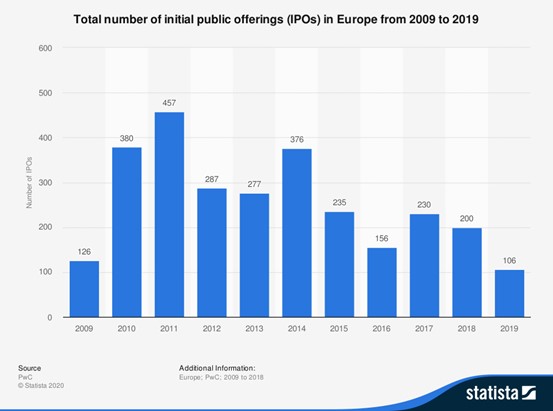
  • The Remuneration Report of the members of the Board of Directors of SAs

    The Remuneration Report of the members of the Board of Directors of SAs

    The issue of remuneration of Board members has been repeatedly addressed in the context of our articles. And so has the conflict of interests of the latter with the SA for this reason; the related risks for the SA; the relevant interest of the company, the shareholders and, of course, the beneficiaries- and clearly the third parties: investors and banks. We have already noted that transparency issues and the need for shareholders to participate in the approval of remuneration are pursued through the “say on pay” principle (including: Articles 9a and 9b of Directive 2007/36 / EC, as amended by Directive 2017/828 / EU). Based on this principle, the remuneration of the members of the Board of Directors should be defined in such a way that the shareholders are able to express an opinion. Given the above, our national legislator re-approached the specific issue with the law on SAs (: Law 4548/2018). It brought, on the one hand, some changes in the procedure and the conditions for granting remuneration to the members of the Board of Directors on the basis of their organic relationship (: Societe Anonyme: Remuneration of the Members of the BoD). It incorporated, on the other hand, two important tools for the transformation of the above principle into national law: (a) the Remuneration Policy and (b) the Remuneration Report. We will then deal with the latter.


    Legislative Framework – The distinction of Remuneration Policy from the Remuneration Report

    The issues related to the Remuneration Policy and the Remuneration Report are regulated in the provisions of articles 110-112 of Law 4548/2018. In this way, the provisions of Articles 9a and 9b of the aforementioned Directive 2007/36 / EC-as in force are incorporated into Greek law.

    The two, in particular, tools aim at the transparency and the participation of the shareholders in the issue of the formation of the remuneration of the members of the Board of Directors. Mandatory for listed SAs. Optional for the others. The Remuneration Report retains its independence from the Remuneration Policy, however, it is inextricably linked to the latter. In any case, these are distinct texts, which present two main differences:

    (a) The Remuneration Policy is the means of structuring the strategy of the SA regarding the granting of remuneration to the members of the Board of Directors. It promotes, in this context, its sustainability and long-term interests. In this way, it addresses the future. On the other hand, the Remuneration Report is a comprehensive overview of the total remuneration granted per board member for the previous financial year. It concerns, that is, the previous year and is of  an accounting character.

    (b) Regarding the Remuneration Policy, the shareholders’ vote is binding. On the other hand, their vote on the Remuneration Report has an advisory character.


    Subjective and objective scope

    The Remuneration Report is drafted collectively by the Board of Directors of the SA (: article 96 §2 law 4548/2018). The responsibility they bear in case of any violation of the provisions regarding the Remuneration Report is also collective (: article 112 §6 b). Therefore, the members of the Board are responsible in cases of violation based on the provision of article 102 of law 4548/2018. They also bear criminal responsibility, based on the provision of article 179 §3 law 4548/2018.

    The Remuneration Report must include the complete overview of the remuneration of the members of the Board of Directors, which were foreseen to be paid by the Remuneration Policy of the previous financial year (: article 112 §1 law 4548/2018). This is a fact, regardless of whether the latter (: members of the Board of Directors) are newer, older, executive, non-executive or independent. The recording must be made, in each case, in a clear and comprehensible manner. However, its subjective field may occupy other persons as well. When, for example, by statutory regulation, the application of the provisions for the Remuneration Policy and Report is extended to the executives, as they are regulated by the International Accounting Standards (article 24 §9). The latter, in this case, will refer to the payments of the specific persons as well.

    The concept of remuneration, in the context of the Remuneration Report, is conceptually identical to that of the Remuneration Policy. In other words: the Remuneration Report includes the total remuneration granted (or still owed) to the members of the Board of Directors in their organic capacity and position. The Remuneration Report is not interested in other fees. Such as, for example, those that are due, in a special relationship deriving from an employment, mandate, independent services or works contract [int .: Societe Anonyme: Contracts with Members of the BoD for the Provision of (Additional) Services].


    Content

    The minimum content of the Remuneration Report is provided in the provision of article 112 §2, law 4548/2018. At the same time, the European Commission has adopted a targeted consultation with guidelines for the standard presentation of the information contained in the earnings report. The final guidelines are still pending.

    The content of the Remuneration Report concerns the remuneration of each member of the Board separately. It basically includes: (a) the total remuneration paid as well as the way the manner it was paid was in accordance with the approved Remuneration Policy; (b) the annual change in remuneration, the performance of the company and the average remuneration of employees, excluding executives, during the last five years. The Remuneration Report also mentions: (c) any remuneration of any kind coming from any company belonging to the same group; (d) participation in equity schemes; (e) the options exercised; (f) information on the possibility of reclaiming remuneration; (g) the circumstances under which derogations from the remuneration report may have taken place, in accordance with the provisions of Article 110 §6 (inadvertently in Article 112 §2 f.g. reference is made to the repealed §7).


    The advisory vote of the shareholders

    The shareholders vote (in the context of the ordinary General Assembly with the relevant item on the agenda) on the remuneration report of the last financial year. Their vote, however, is advisory. This means that the shareholders’ decision does not bind the SA, although the voting is mandatory. The Board, however, has an additional obligation regarding the outcome of this vote. Specifically, it “… must explain in the next Remuneration Report the way in which the above result of the vote was taken into account…” (art. 112 §3 Law 4548/2018). It is concluded, therefore, that the SA may not take into account the above result at all, as long as it explains the way it worked in the next Remuneration Report that it will submit to the General Assembly.


    Publicity Formalities and Personal Data

    The Remuneration Report is subject to specific publicity formalities. The SA, however, must also post the Remuneration Report on its website, immediately after the relevant vote of the General Assembly. This posting must be for a period of ten years (article 112 §4 of Law 4548/2018). The period of posting can exceed the ten years, in case it no longer includes personal data of the members of the Board.

    We therefore confirm that the provisions of Law 4548/2018 are intertwined (and) in this case, with the requirements of Regulation 679/2016 / EC for the Protection of Personal Data. As already mentioned, the Remuneration Report refers individually to each member of the Board. This means that their personal data are being processed. The legal basis of this processing is the provision of article 112 §5 of law 4548/2018. The purpose of the processing in this provision is defined as the increase of transparency “… regarding the remuneration of the members of the Board of Directors, with the aim of strengthening the accountability of the members and the supervision of the shareholders on these remunerations”. However, the special categories of personal data according to article 9 §1 of the Regulation are explicitly excluded from the above processing and the Remuneration Report. These are the personal data that reveal “… racial or ethnic origin, political views, religious or philosophical beliefs or participation in a trade union, as well as the processing of genetic data, biometric data for the purpose of unambiguous identification of health or data relating to the sexual life of a natural person or sexual orientation “. In case, for example, that the granting of an allowance depends on any illness of the member of the Board of Directors, the Remuneration Report should include only the amount of this allowance. The cause must not be mentioned.


    Judicial review and the possibility of reducing salaries

    In the case of the Remuneration Report, the provision of article 109 §7 of Law 4548/2018 applies to the possibility of reducing remuneration after the issuance of a court decision. Such a reduction may take place in cases where there was a substantial change in the conditions under which the Remuneration Policy was approved and it was not revised (article 110 §2 law 4548/2018). This is, essentially, a judicial review of the Remuneration Policy. The application to the competent court, in this case, is exercised within an exclusive period of two (2) months from the voting on the Remuneration Report.

    The compliance review with the approved Remuneration Policy of the SA is carried out by the Remuneration Report. It would not be possible, after all, to approve remuneration for the members of the Board of Directors (and / or specific executives) without providing a compliance review.


    The obligation to prepare a Remuneration Report (for the review of the approved Remuneration Policy) is borne, as we mentioned in the introduction, by companies with shares listed on a regulated market. They both contribute to increasing corporate transparency and strengthening the (necessary) corporate governance. The accountability of the members of the Board of Directors and the supervision of the shareholders on their salaries is strengthened. They therefore promote the interests of the company and its shareholders. They make the companies that adopt them more transparent (and, therefore, attractive for investors).

    Therefore, their adoption by all companies is desirable.

    Even by the non-listed ones.-


    Stavros Koumentakis
    Managing Partner


    P.S. A brief version of this article has been published in MAKEDONIA Newspaper (April 11, 2021).


    Disclaimer: the information provided in this article is not (and is not intended to) constitute legal advice. Legal advice can only be offered by a competent attorney and after the latter takes into consideration all the relevant to your case data that you will provide them with. See here for more details.
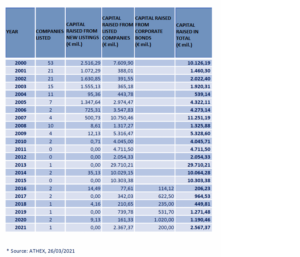
This site is registered on wpml.org as a development site. Switch to a production site key to remove this banner.